
Skills Over Degrees: The New Framework for Potential Hiring
~ by Pranav Joneja | November, 2025
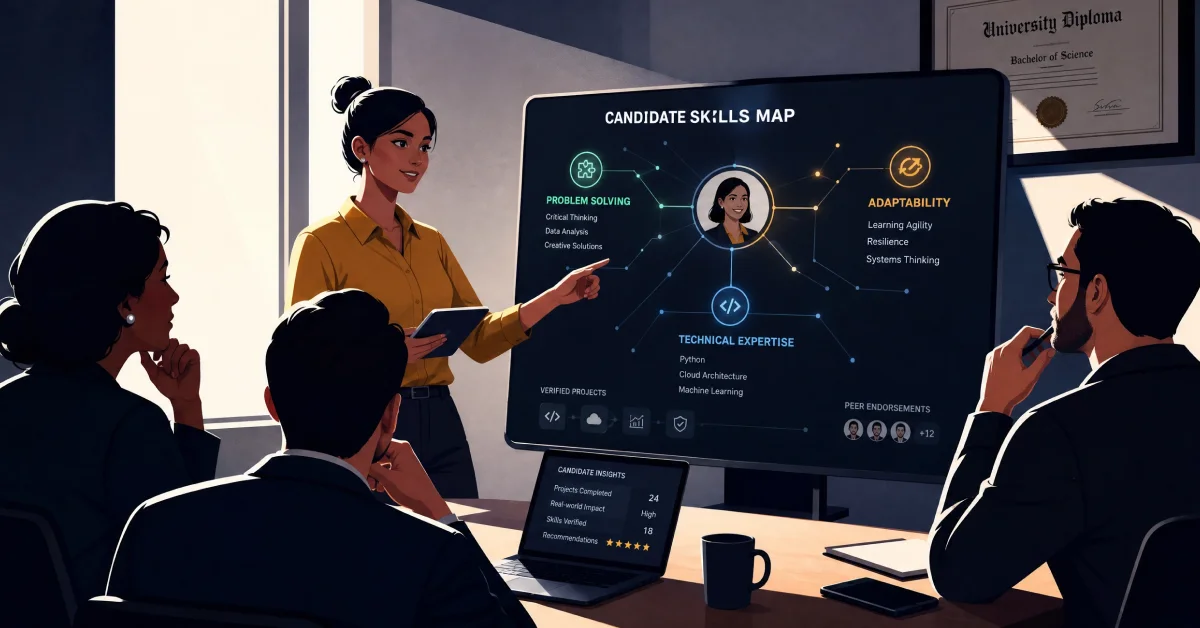
For decades, degrees have been the primary benchmark for hiring decisions. A university qualification was seen as a passport to professional success. However, today’s fast-evolving job landscape is proving that academic credentials alone are not enough. Rapid automation, digital transformation, and shifting job expectations have changed what employers value most: skills.
As organisations look to build agile, future-ready teams, hiring for potential rather than pedigree has become the new norm. HR professionals are now relying on structured tools, such as psychometric and leadership assessments, to identify candidates who demonstrate capability, adaptability, and cultural fit, rather than just qualifications on paper.
The Decline of Degree-Based Hiring
Traditional degree-based hiring is losing its relevance. Many employers have realised that a degree does not necessarily reflect the skills needed to thrive in a modern workplace. According to Forbes India (2024), nearly 30 per cent of Indian companies have shifted to skills-based hiring, prioritising capabilities over academic qualifications. This marks a significant cultural shift, as organisations move from credential-based to competence-based recruitment.
The gap between what is taught in classrooms and what is required in jobs continues to widen. Sectors like technology, logistics, and manufacturing increasingly value hands-on expertise and problem-solving over formal education. Graduates may have theoretical knowledge, but not necessarily the cognitive flexibility or interpersonal skills that drive success in fast-changing environments.
This shift signals a move from qualification-based filtering to competency-based evaluation, where evidence of potential, ability, and behavioural adaptability takes precedence.
The Rise of Skills-Based and Potential-Based Hiring
Skills-based hiring focuses on what candidates can do rather than where they studied. Potential-based hiring goes one step further by assessing how individuals think, adapt, and grow in unfamiliar situations.
Modern organisations now understand that success depends on soft skills as much as technical expertise. Abilities such as logical reasoning, creativity, empathy, and resilience are measurable indicators of workplace success, and these are best evaluated through psychometric and cognitive ability tests.
By shifting focus from credentials to competencies, companies can widen their talent pool, encourage diversity, and identify hidden potential.
This approach aligns with 9 Links’ philosophy of helping organisations discover talent that is not just capable but adaptable, emotionally intelligent, and ready to lead in changing environments.
Key Competencies That Matter More Than Degrees
Cognitive Ability
The ability to learn quickly, analyse information, and apply new knowledge effectively is vital in today’s dynamic work environment. Cognitive ability predicts how well employees handle complexity and solve problems; a quality highly sought after across industries.
Emotional Intelligence
Success in collaborative settings depends on empathy, self-awareness, and emotional control. Employees who demonstrate high emotional intelligence manage stress better and contribute positively to team dynamics.
Leadership Potential
Modern leadership is about influencing, decision-making, and strategic foresight. Identifying emerging leaders early helps organisations prepare for succession and build resilient teams.
Integrity and Reliability
How Assessments Help Identify High-Potential Candidates
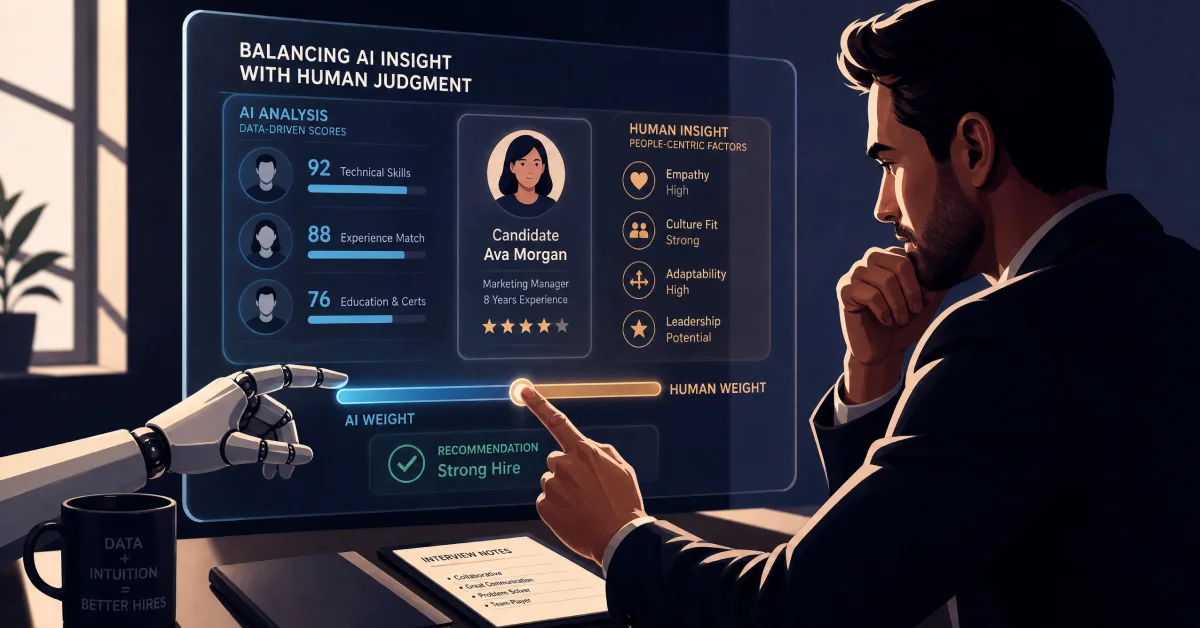
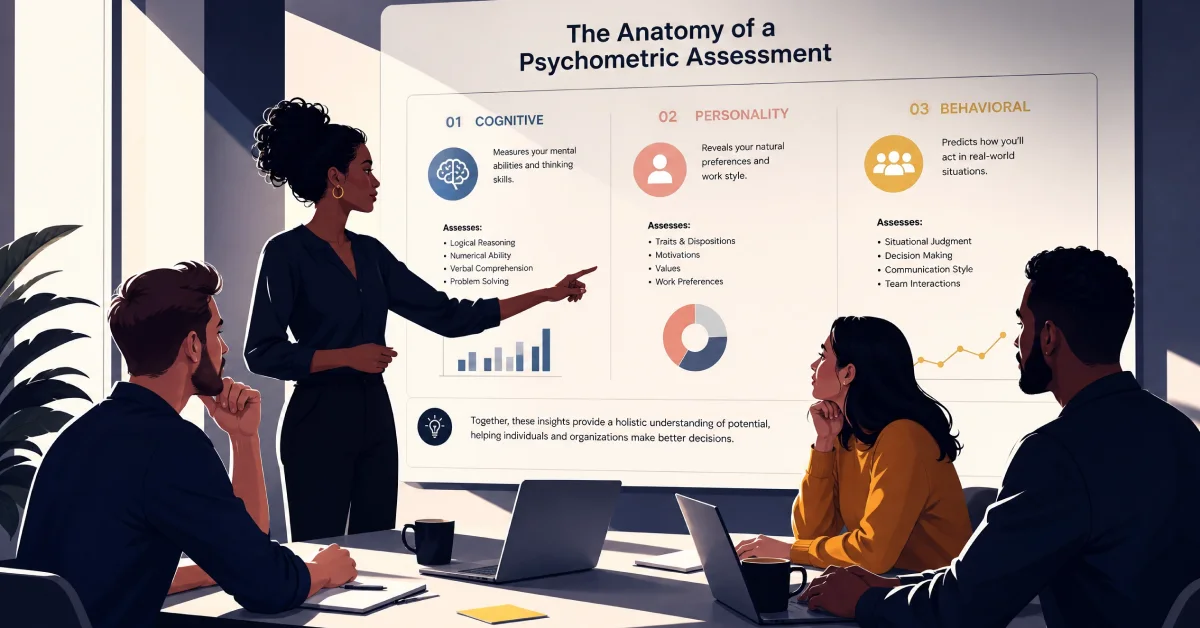
Recruiters often face the challenge of differentiating between candidates who look good on paper and those who can perform. Psychometric assessments offer objective insights into personality, aptitude, and motivation.
They help recruiters evaluate how a person thinks, learns, and behaves, enabling data-driven decisions rather than gut instinct. For instance, cognitive ability tests measure reasoning and problem-solving skills, while behavioural assessments analyse interpersonal tendencies, adaptability, and teamwork. Integrity assessments further gauge honesty and reliability, ensuring that values align with the role and the culture.
Together, these tools form a complete picture of candidate potential, reducing the risk of mis-hires and improving long-term retention.
Building a Skills-First Hiring Strategy
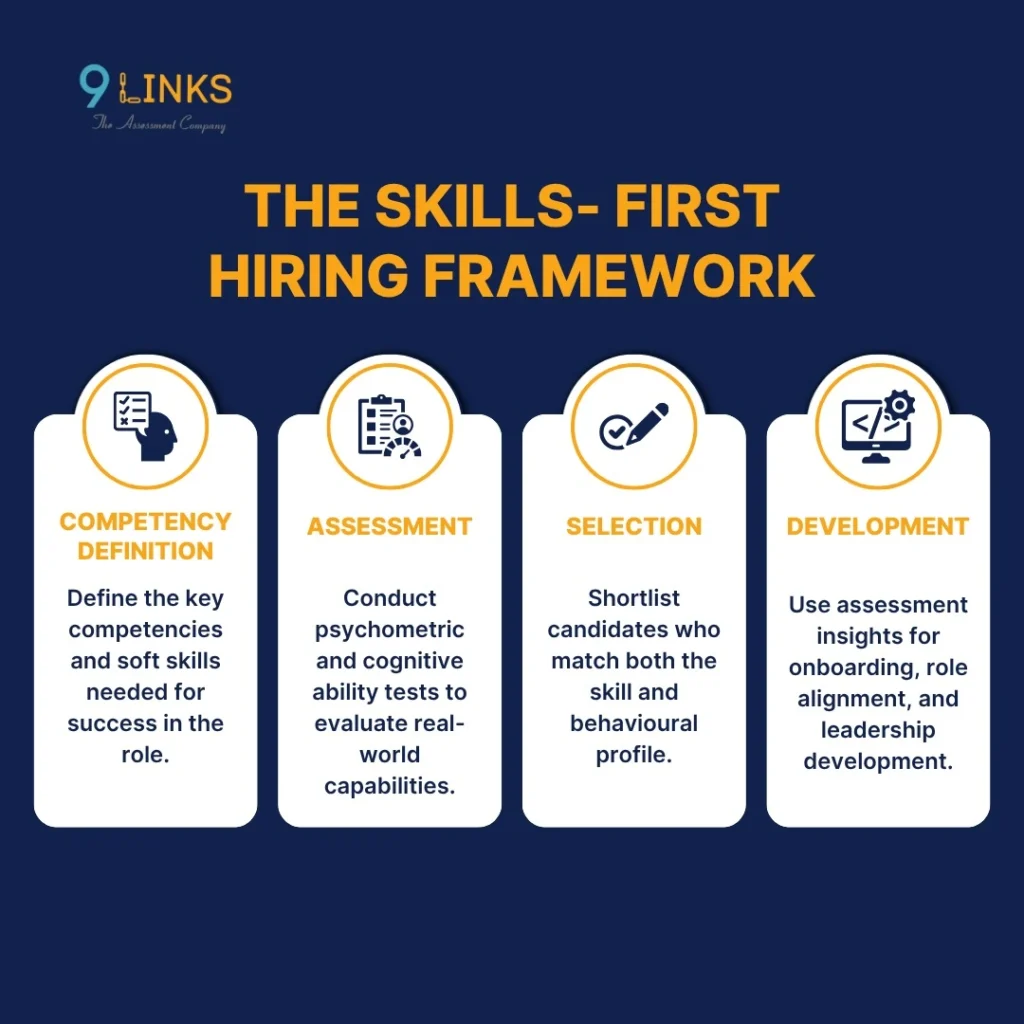
Transitioning to a skills-first hiring approach requires careful planning and collaboration across HR and leadership teams. Here’s how organisations can adopt this model effectively:
- 1. Define Role-Specific Competencies
Start by outlining the cognitive, behavioural, and interpersonal skills essential for success in each role. These become the foundation for assessment frameworks. - 2. Integrate Structured Assessments
Use validated psychometric and aptitude tests to objectively evaluate these competencies. Ensure consistency across departments to reduce bias and improve fairness. - 3. Train Hiring Teams to Interpret Results
Equip recruiters and managers to interpret assessment data accurately. This helps them balance technical skills with personality and cultural alignment. - 4. Use Assessment Insights for Development
The value of assessments extends beyond hiring. Use the same data for onboarding, leadership grooming, and performance enhancement.
The Benefits of Skills-First Hiring for Organisations
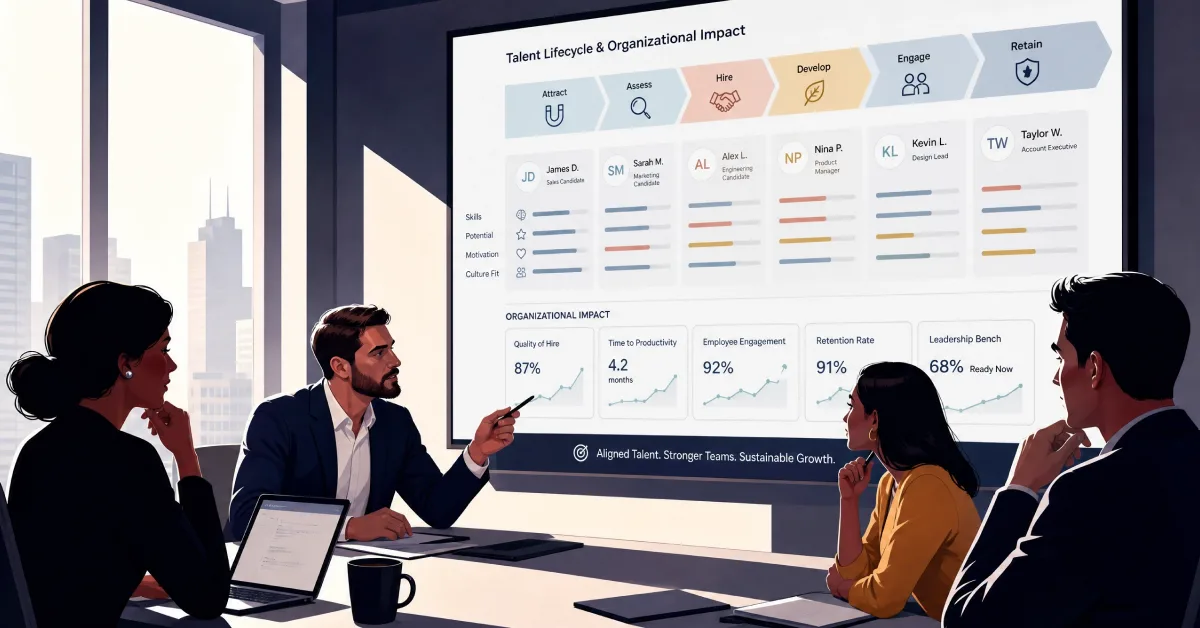
Adopting a skills-first approach delivers tangible results for organisations seeking agility and long-term success:
- Better quality of hire: Candidates selected through skills-based assessments are more likely to perform and stay longer.
- Reduced bias: Objective tools ensure that all candidates are assessed equally, supporting diversity and inclusion goals.
- Improved productivity: Matching skills with job demands enhances efficiency and motivation.
- Cost efficiency: Structured hiring reduces turnover costs and time spent on repeated recruitment cycles.
- Enhanced employer brand: Organisations known for merit-based hiring attract forward-thinking, ambitious professionals.
This approach not only strengthens the workforce but also signals a cultural shift from traditional credentialism to a modern, performance-oriented mindset.
9 Links’ Role in Enabling Skills-Based Hiring
At 9 Links, we support organisations in implementing evidence-based hiring strategies through a suite of scientifically validated assessments. Our Cognitive Ability Tests, Behavioural Assessments, and Leadership Assessment Tests are designed to identify true potential while maintaining fairness and precision.
By combining psychological insights with data analytics, these tools enable HR professionals to make informed decisions about selection, development, and succession planning. 9 Links’ solutions are flexible and tailored to different organisational contexts, whether it’s identifying high-performing blue-collar employees or grooming future leaders.
The outcome is a more engaged, capable, and high-performing workforce built on data-driven trust rather than assumptions.
Conclusion: Hiring for Potential, Not Pedigree
The world of work is shifting rapidly, and so must hiring practices. Degrees may open doors, but skills determine success. Organisations that focus on measurable competencies, cognitive flexibility, and emotional intelligence are better positioned to thrive in uncertainty.
By integrating psychometric and leadership assessment tools into their recruitment process, employers can evaluate talent more holistically, creating opportunities based on potential rather than privilege.
The future of hiring belongs to those who value performance over paper and growth over grades.
FAQs
1. What is skills-based hiring, and how is it different from traditional recruitment?
Skills-based hiring focuses on evaluating a candidate’s abilities, behaviours, and potential rather than just educational qualifications. Instead of screening resumes for degrees, employers use tools like psychometric and aptitude tests to measure cognitive ability, adaptability, and interpersonal skills that predict on-the-job performance.
2. How do psychometric assessments help identify the right candidates?
Psychometric assessments provide data-driven insights into a person’s cognitive strengths, behavioural tendencies, and emotional intelligence. They help HR professionals make objective decisions by revealing how well a candidate thinks, collaborates, and leads, reducing bias and improving long-term retention.
3. Why are leadership assessment tests becoming important in recruitment?
Leadership assessment tests help identify individuals with high leadership potential early in their careers. These tests measure critical skills, such as decision-making, empathy, problem-solving, and resilience; qualities that academic qualifications alone cannot predict.
4. Can organisations replace degree requirements completely with assessments?
Not entirely. Degrees still hold value in specific technical or regulated fields. However, integrating assessments enables organisations to go beyond credentials, uncover hidden potential, and identify candidates with the right skills and mindset to grow in the role.
5. How do skills-based hiring and assessments promote workplace diversity?
By focusing on measurable skills instead of educational background or previous job titles, assessments level the playing field. They help reduce bias in hiring, enabling organisations to tap into a wider, more diverse talent pool and create inclusive teams based on capability and merit.
6. How can 9Links support companies in transitioning to skills-first hiring?
9 Links offers scientifically validated assessment tools, including Cognitive Ability Tests, Behavioural Assessments, and Leadership Assessment Tests, that help organisations evaluate talent accurately and fairly. These solutions empower recruiters to identify potential, improve culture fit, and build high-performing teams.
We Appreciate The Feedback From Our Clients.
It is always a joy to hear how our work has positively impacted them and how our assessments have helped in finding the right people.
We have used 9 LINKS psychometric tool in our Campus Placement Programme.The tool has helped us to identify right candidate as per our organisation requirements…

We have just started using it. It differentiates various personalities and helps in decision making. The clarity on its precision level will be gathered over a period of time…

Counselling test curated for NES has been very useful in identifying the skill sets and allotting appropriate job fitment to students as per their quotients. Multilingual tests developed by considering various key…

It is indeed great pleasure in my part to share complementing note to you & your team. Needless to say 9 LINKS is one of the best organisation to conduct skill gap analysis through assessment of Cognitive skills..

It is crucial that validating the quality of the candidates in recruitment. 9 LINKS is a service that we can confidently say does that. 9 LINKS online assessment precisely giving us the right candidates to pick and proceed on recruitment…

Read Our Blog For The Latest On Research & Insights.
Get Insights into latest developments in HR industry and psychometric assessments.
Take a Free Assessment